June 2026

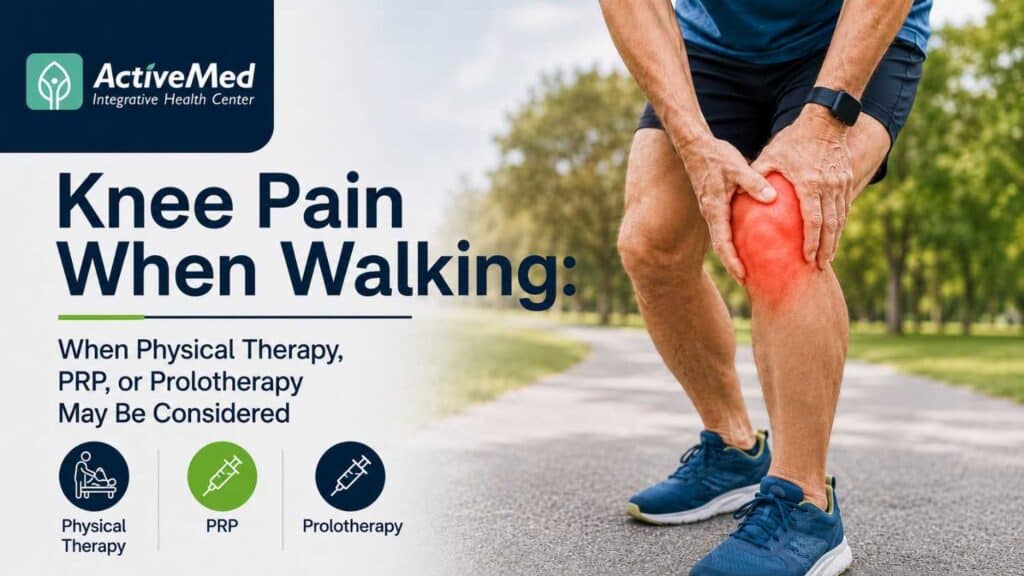
Knee Pain When Walking: When Physical Therapy, PRP, or Prolotherapy May Be Considered

Knee Pain When Walking: When Physical Therapy, PRP, or Prolotherapy May Be Considered

Knee pain when walking can come from osteoarthritis, a previous injury, tendon irritation, meniscus or ligament problems, inflammation, gout, infection, or another condition. The right treatment starts with understanding what is causing the pain and how it affects movement. Physical therapy is often considered when knee pain limits walking, stairs, strength, balance, or daily function. […]

Knee Pain When Walking: When Physical Therapy, PRP, or Prolotherapy May Be Considered Read More »

Physical Therapy for Lower Back Pain: What Helps, What Doesn’t, and When to Get Evaluated

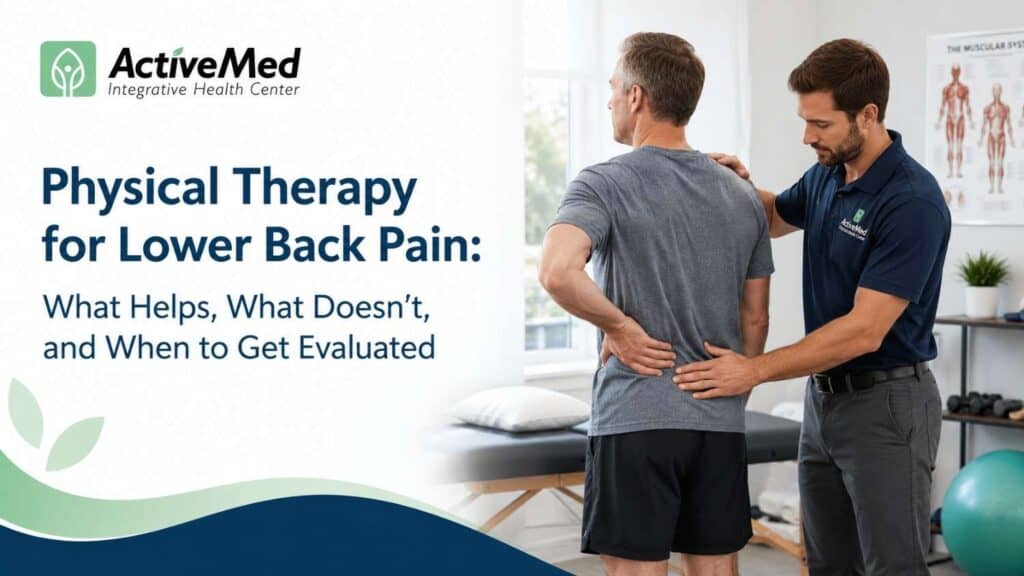
Physical Therapy for Lower Back Pain: What Helps, What Doesn’t, and When to Get Evaluated

Physical therapy can help many people with lower back pain improve movement, strength, mobility, daily function, and confidence with activity. The most effective plans usually emphasize education, staying active as tolerated, individualized exercise, and gradual return to normal tasks—not prolonged bed rest or passive treatments alone. However, lower back pain associated with new weakness, bowel

Physical Therapy for Lower Back Pain: What Helps, What Doesn’t, and When to Get Evaluated Read More »

Medical Weight Loss vs Diet Programs: When Testing, Monitoring, and Follow-Up Matter

Medical Weight Loss vs Diet Programs: When Testing, Monitoring, and Follow-Up Matter

Medical weight loss and diet programs can both support weight-management goals, but they are not the same type of care. A quality diet program focuses on sustainable eating habits, physical activity, behavior change, accountability, and long-term maintenance. Medical weight loss adds clinical evaluation and follow-up when weight concerns overlap with health risks, medications, persistent symptoms,

Medical Weight Loss vs Diet Programs: When Testing, Monitoring, and Follow-Up Matter Read More »

Scroll to Top