
PRP Therapy
Platelet Rich Plasma (PRP) Therapy in Encinitas and Poway
ActiveMed Integrative Health Center offers platelet-rich plasma therapy and prolotherapy in San Diego. Both therapies are less invasive, non-surgical regenerative injection treatments that stimulate natural healing for injured and painful tendons and ligaments.
Prolotherapy
Prolotherapy treatment involves injecting a mixture of substances, with the use of a slender needle, to the site near the injured ligament, tendon, or muscle tissue. The substance is an irritant solution that creates a mild, controlled injury that stimulates the body’s natural healing processes in order to lay down new tissue in the injured area.
The most common type of this treatment is dextrose prolotherapy, which uses a concentrated solution of dextrose or saline water as an irritant agent. It effectively raises growth factor levels and promotes tissue repair, and reduces or eliminates pain in the injured area. It is often used to treat chronic back pain, ligament and tendon injuries, and bursitis. It also helps manage the painful symptoms of osteoarthritis.
Platelet-Rich Plasma Therapy
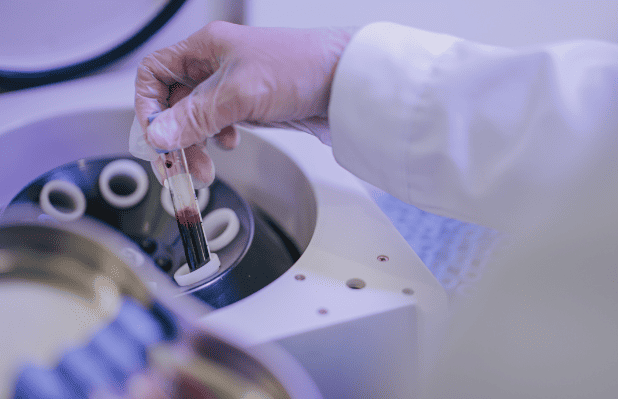
Platelet-rich plasma (PRP) therapy is a type of prolotherapy that uses concentrated platelet-rich plasma to repair and regenerate tissue in the injured or weakened area. The process begins with the extraction of blood from the patient, after which the sample is spun in a centrifuge. The method discards the red blood cells, and leaves the platelets to become super concentrated.
The platelet-rich plasma is full of connective tissue growth factors that not only stimulate the natural process of tissue repair and healing, but also cause the production of new collagen and cartilage. The new collagen strengthens the freshly repaired ligament and tendon tissues, making these more elastic. As a matter of fact, many athletes who’ve undergone this treatment have performed proficiently in their sports, even after having sustained serious injuries.
PRP therapy is ideal for chronic tendon and ligament sprains, knee sprains, shoulder pains, hamstring and hip strains, and rotator cuff injuries. It can also be helpful in managing the pain of osteoarthritis sufferers.
FAQs
PRP (platelet-rich plasma) therapy uses a concentrated portion of your own blood that’s rich in platelets, then injects it into a targeted area to support healing and pain reduction.
Your clinician draws blood, spins it in a centrifuge to concentrate platelets, then injects the PRP into the injured tissue—often with sterile technique and sometimes ultrasound guidance.
PRP is commonly used for tendon, ligament, muscle, and joint injuries, and it’s frequently discussed for certain chronic tendon problems and knee osteoarthritis—depending on your diagnosis.
Evidence is mixed, but American Academy of Orthopaedic Surgeons (AAOS) notes growing literature showing PRP can be effective for low- to moderate-grade knee OA, though more research is still needed.
PRP appears most promising for certain chronic tendon injuries, with tennis elbow often cited as a condition where PRP may help—while results for other tendon problems can be less certain.
There’s no one number. Some people improve after one injection, while others need a series—your plan should be based on your diagnosis, response, and functional goals, not a preset package.
Duration varies by condition and severity. One academic clinic notes many patients report improvement for 6–9 months, and Mayo Clinic reports many knee OA patients describe 6–12 months of relief after PRP.
It’s normal to have temporary pain and swelling—that early inflammation is part of why PRP is used. Cleveland Clinic notes swelling and pain can last a day or two for many people.
You’ll usually keep activity light for the first 48–72 hours, then gradually return as tolerated. Some protocols also recommend PT before/after PRP to maximize results.
Many protocols advise avoiding NSAIDs around PRP because they may blunt platelet activity. **Mass General Brigham recommends avoiding NSAIDs for at least two weeks after PRP (and often adjusting meds beforehand). Always follow your prescriber’s guidance.
Usually yes, because sedation is often not used. **McGovern Medical School notes an escort/driver typically isn’t required for PRP when no sedation is used.
You’ll feel needle discomfort, and some people feel the same or slightly more pain immediately after. Soreness for several days is common, then improvement may start in 1–2 weeks (with bigger changes sometimes taking longer).
Lorem ipsum dolor sit amet, consectetur adipiscing elit. Ut elit tellus, luctus nec ullamcorper mattis, pulvinar dapibus leo.
Lorem ipsum dolor sit amet, consectetur adipiscing elit. Ut elit tellus, luctus nec ullamcorper mattis, pulvinar dapibus leo.
Cortisone can reduce inflammation quickly but may be shorter-term for some problems. PRP aims to stimulate healing. AAOS notes PRP’s overall success is still “questionable” across conditions, so the best choice depends on your diagnosis, goals, and timeline.
Coverage is often limited. AAOS notes few insurance plans provide even partial reimbursement, so you should verify coverage and out-of-pocket cost before booking.