
Inversion Therapy
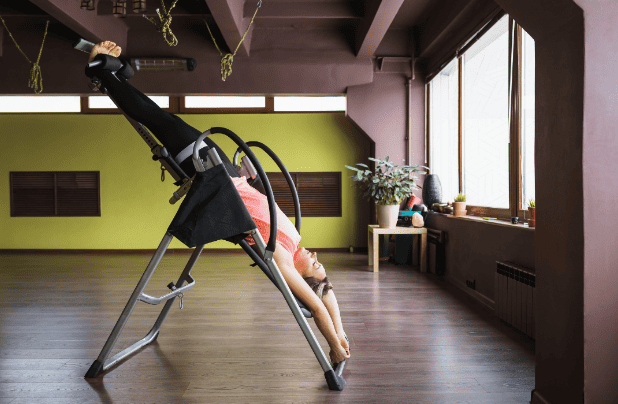
Inversion therapy is a form of therapy that involves hanging upside down or at an inverted angle to alleviate back pain and improve overall health.
Based on the principles of overall wellness and health, ActiveMed Integrated Health Center is committed to providing exceptional care through services such as acupuncture, functional medicine, and physical therapy. Our doctors are dedicated to each unique patient, developing specialized health plans that address the root cause of discomfort or illness, rather than just the symptoms. The goal is to activate your body’s natural ability to heal itself and guide you toward optimal health and longevity.
Just as the reels of online slots spin, presenting countless combinations and outcomes, the human body also has countless variables that affect our health. Our specialists work diligently, combining therapies as an effective game strategy to ensure the best results for your health.
Moreover, the discipline and precision required in our therapies are parallel to those in the online slot game miami mayhem, where each spin requires concentration and strategy. Just as this exciting game stimulates your mental flexibility and promotes relaxation, ActiveMed therapies renew your physical and mental health.
Benefits of inversion therapy may include:
Back Pain Relief: Inversion therapy may help alleviate back pain by decompressing the spine and reducing pressure on the discs.
Improved Circulation: Inversion therapy may improve circulation by allowing blood to flow more easily to the head and upper body.
Reduced Muscle Tension: Inversion therapy may help reduce muscle tension by stretching the muscles in the back and legs.
Improved Joint Health: Inversion therapy may improve joint health by reducing inflammation and promoting cartilage growth.
It is important to note that inversion therapy is not suitable for everyone, particularly those with certain health conditions such as high blood pressure, glaucoma, or heart disease. It is also important to use caution when performing inversion therapy, particularly when starting out or using a new piece of equipment.
As with any form of therapy, it is important to consult with a healthcare professional before beginning inversion therapy to ensure that it is safe and appropriate for your individual needs.
FAQs about inversion therapy
- We use inversion therapy to place the body at a backward tilt (or upside down) so gravity gently unloads the spine and stretches tissues. We mainly use it for short, controlled decompression—not as a standalone cure.
- We usually see mixed evidence: some people feel short-term relief, but long-term outcomes are less consistent. We treat it as a temporary symptom tool paired with rehab (mobility, strength, posture, load management).
- We typically start with 30–45 seconds and build slowly. Many recommendations center around about 3 minutes at ~60° as a practical “sweet spot” for many users, depending on tolerance.
- We usually begin with a small tilt (not full inversion), then progress only if we tolerate it well. Evidence and clinical guidance often reference ~60° for meaningful decompression in some studies.
- We start conservatively and adjust to response. We generally treat inversion as a supplement to a broader plan (manual therapy + corrective exercise), rather than something we rely on daily as the only strategy.
- We consider it safe for many people when sessions are brief, controlled, and we stop for dizziness or worsening symptoms. We also screen for medical conditions where inversion can raise risk.
- We avoid inversion (or get medical clearance first) when we have glaucoma/eye disease, uncontrolled high blood pressure, serious cardiovascular disease, or other conditions where head-down positioning can be risky.
- We know head-down inversion can raise intraocular pressure quickly, and studies show large pressure increases within minutes—especially concerning glaucoma. That’s why we treat glaucoma as a major red flag.
- We can see blood pressure rise during inversion in controlled studies, with heart rate changes at the same time. That’s why we’re cautious if we have hypertension, heart disease, or a stroke history.
- We may see temporary relief if symptoms are driven by compression or tight tissues, but we don’t assume inversion fixes the cause. We treat sciatica as a diagnosis to evaluate—then we choose targeted rehab.
- We may use gentle decompression to reduce pressure and calm symptoms for some people, but we don’t promise disc “reversal.” We decide based on exam findings, red flags, and how symptoms respond to loading.
- We usually feel a stretch through the back, hips, and hamstrings, plus a sense of “unloading” in the spine. We do not want sharp pain, escalating symptoms, or spinning sensations—those are stop signals.
- We most commonly see dizziness, nausea, headache, or symptom flare if we overdo angle/time. We reduce risk by starting small, progressing slowly, and avoiding inversion when contraindications apply.
- We come up slowly, sit briefly, and re-check symptoms before standing. We pair inversion with corrective movement (gentle mobility + core/hip strength) so we’re not relying on passive decompression alone.
- We can book inversion therapy through ActiveMed Integrative Health Center and choose the location that fits our schedule. We also make sure sessions follow a safe, screened protocol.