
Prolotherapy in Encinitas, Poway and San Diego
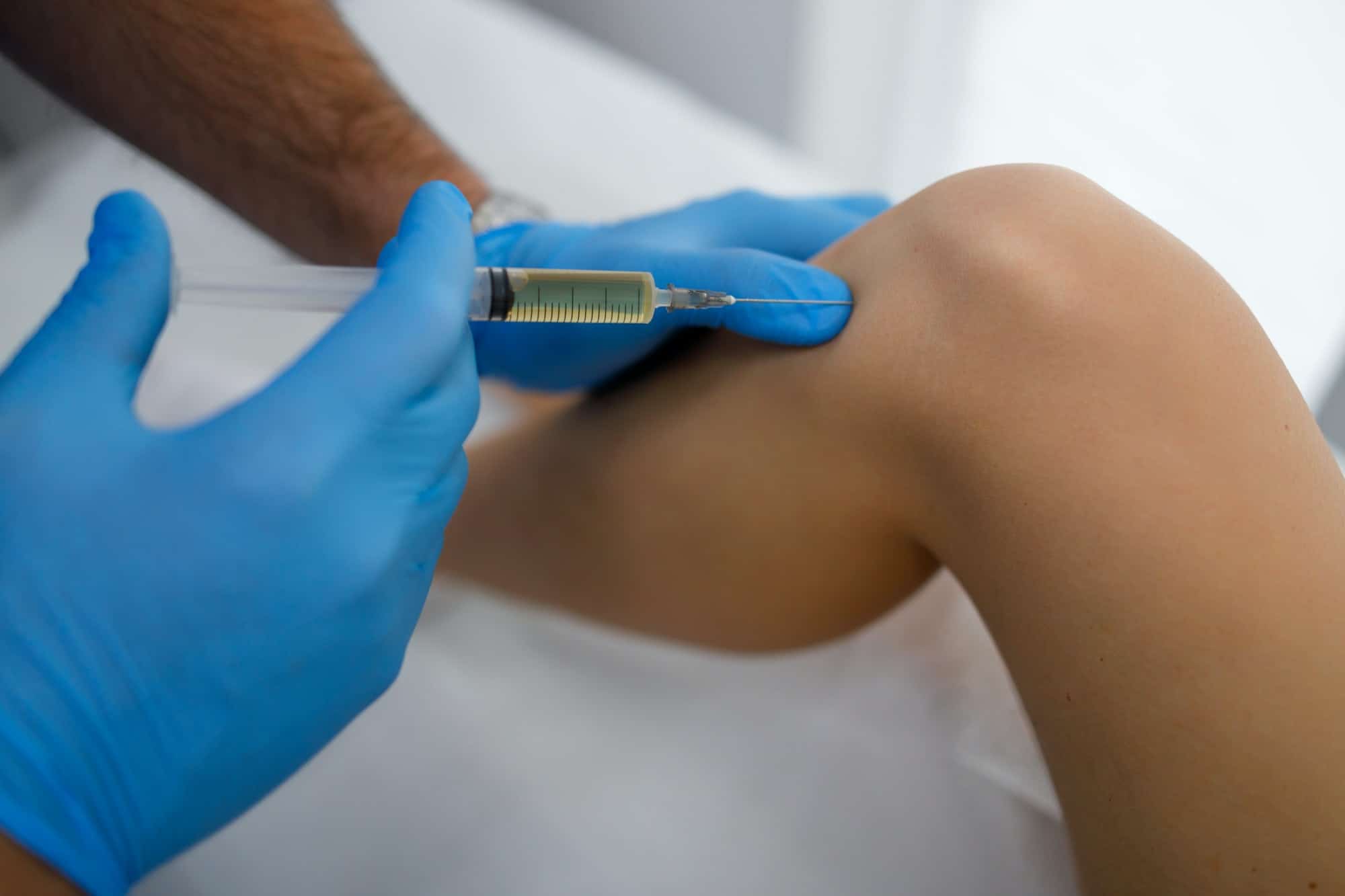
Prolotherapy, also known as proliferation therapy, is a medical treatment that involves the injection of a solution into a damaged or weakened ligament or tendon to stimulate the body’s natural healing response. The solution typically consists of a combination of dextrose (sugar water) and an anesthetic, and sometimes additional substances such as platelet-rich plasma (PRP) or stem cells may also be used.
The injection of the solution into the damaged area is believed to stimulate a local inflammatory response, which in turn triggers the body’s natural healing process. This can lead to increased blood flow, the production of new collagen and tissue, and improved function of the affected area.
Prolotherapy is often used to treat chronic pain conditions that involve ligaments and tendons, such as chronic back pain, knee pain, and shoulder pain. It may also be used to treat conditions such as osteoarthritis, fibromyalgia, and sports injuries.
The benefits of prolotherapy are generally seen over a series of treatments, which are typically administered over several weeks or months. Some patients may require several rounds of prolotherapy to achieve significant pain relief.
Prolotherapy is considered a safe and effective treatment option for many patients. However, as with any medical procedure, there are risks associated with prolotherapy, including infection, bleeding, nerve damage, and allergic reactions. It is important to discuss the risks and benefits of prolotherapy with a healthcare professional before undergoing treatment.
faqs
- Prolotherapy is an injection treatment where a provider injects a small amount of an irritant solution (often dextrose) into painful joints, tendons, or ligaments to try to reduce pain and improve function.
- Most prolotherapy injections use dextrose + saline, often with a local anesthetic (like lidocaine) in the mix.
- The theory is that the injection triggers a local inflammatory response that “kick-starts” healing, but experts note the mechanism and effectiveness aren’t proven in a scientifically definitive way across conditions.
- It’s most often used for chronic musculoskeletal pain involving ligaments, tendons, and some joint pain conditions (for example knee, shoulder, or back-related pain patterns), depending on your exam and diagnosis.
- Evidence suggests potential pain benefit, but systematic reviews note many studies have high risk of bias, so you should treat it as “may help,” not a guaranteed outcome.
- A randomized controlled trial found intra-articular prolotherapy provided significant relief and lasted longer than steroid injections in that study, though more research is still needed.
- It varies by condition and severity. One medical-center protocol describes monthly injections for 4–6 months, while other clinical summaries note people often receive several sessions total. Your plan should be individualized.
- You can expect needle discomfort and local soreness. A pain “flare” for several days can happen as part of the inflammatory response—tell your provider if pain is severe or keeps worsening.
- Usually there’s little to no downtime, and many people return to normal activities right away—though your provider may limit intense training briefly depending on the treated area.
- Some protocols recommend avoiding NSAIDs (anti-inflammatories) for a period before/after treatment and avoiding ice, because the goal is to allow an inflammatory healing response. Don’t change medications without your prescriber’s guidance.
- Common side effects are injection-site soreness and sometimes bruising; serious complications are considered uncommon when performed correctly, but any injection carries risk.
- You generally shouldn’t get it if you have an active infection (like cellulitis/abscess/septic arthritis). People with bleeding disorders or on blood thinners need individualized review and planning.
- It can be. Some providers use ultrasound to guide injections for accuracy, especially around joints and soft tissue attachments.
- Often it’s not covered (especially by many insurers/Medicare coverage policies) because evidence has been considered insufficient for routine coverage in certain contexts. Always verify with your plan.
- You can book prolotherapy through ActiveMed Integrative Health Center, which lists prolotherapy for Encinitas, Poway, and San Diego.