
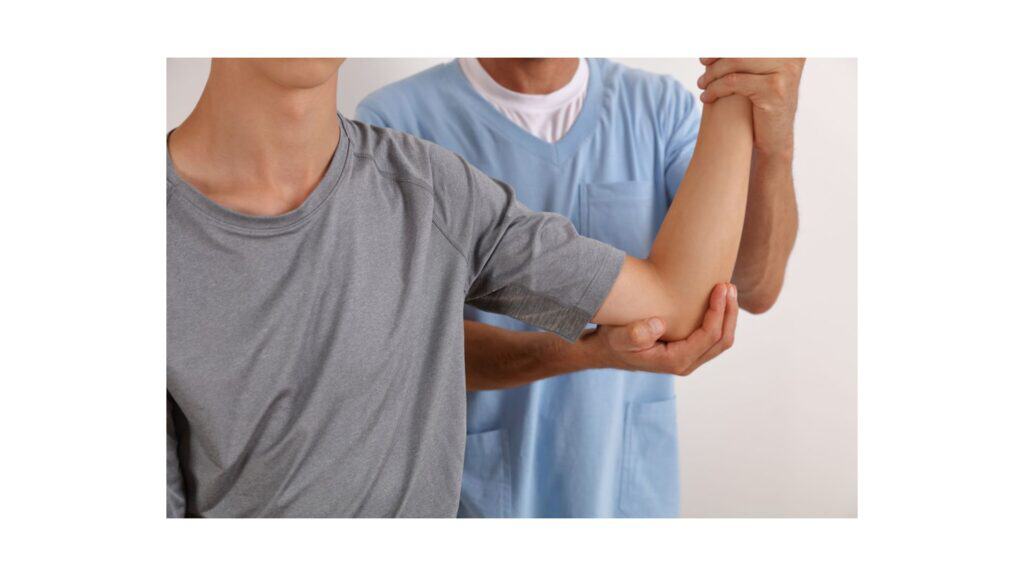
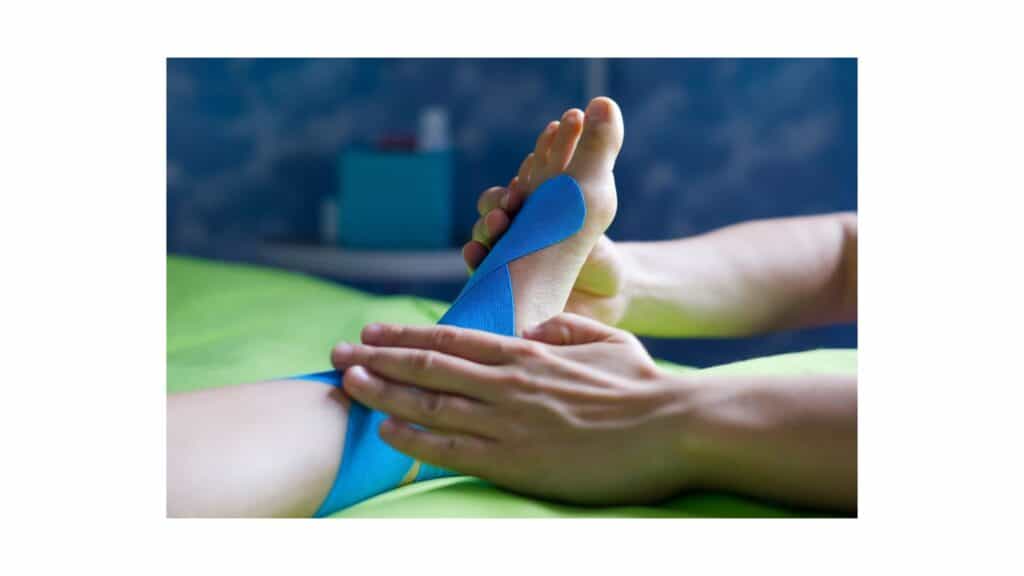
Recovering from sports injuries can be a transformative experience, significantly aided by tailored rehabilitation strategies. Physiotherapy programs focus on enhancing mobility and restoring optimal functionality, which is crucial for an athlete’s return to form.
Participants often benefit from improved strength and flexibility as they engage in specific recovery exercises.
Regularly scheduled physiotherapy sessions can play a significant role in effective pain management, ensuring athletes reclaim their previous performance levels.
- Early intervention is vital for optimal recovery outcomes.
- Education about injury prevention is a key aspect of therapy.
Focusing on individualized approaches enables athletes to enhance performance while effectively reducing the risk of future injuries.
Click here to learn more about: specials
Sports Medicine And Injury Prevention
Achieving optimal performance in sports requires a comprehensive approach to athlete well-being. Therapeutic modalities are integral to addressing various injuries that may arise during training.
Effective rehabilitation processes help athletes regain their strength through targeted strength training techniques.
Incorporating regular assessments not only maintains athletic functionality but also enhances performance levels.
Implementing proactive measures like proprioception training further aids in minimizing injury risks. Range of motion exercises contribute to better flexibility and recovery times, ensuring athletes stay competitive.
Read more: Physical Therapy Interventions Improve Flexibility and Movement
Seeking guidance from experienced professionals allows for personalized care plans designed with safety and efficacy in mind. Engaging in consistent evaluations helps tailor training programs based on specific needs and measurable results.

Importance Of Physical Assessment
Comprehensive evaluations serve as the backbone of effective rehabilitation strategies. These assessments enable therapists to accurately gauge a patient’s condition, which is pivotal for formulating customized treatment plans geared towards optimal recovery.
By focusing on injury prevention, therapists can proactively address underlying issues, ensuring a well-rounded approach to physical health.
Implementing systematic evaluations uncovers potential risks, which aids in developing targeted recovery strategies.
Encouraging collaboration with other healthcare professionals enhances the scope of care, leading to a more impactful rehabilitation experience. Utilizing insights gathered during assessments contributes significantly to improved patient outcomes, illustrating their role in maintaining overall health.
- Definition of Physical Assessment: Physical assessment is a fundamental practice in evaluating a patient’s health status. This step helps inform tailored treatment protocols.
- Role in Tailored Rehabilitation: Individualized evaluations are critical in understanding the unique aspects of a patient’s rehabilitation journey. A focused assessment guides appropriate therapeutic exercises.
- Identifying Underlying Issues: Comprehensive evaluations allow practitioners to uncover root causes of pain or functional limitations, paving the way for effective therapeutic interventions.
- Enhancing Injury Prevention: Consistent assessments play a significant role in recognizing potential risks early, leading to enhanced strategies for preventing future injuries.
- Improving Patient Engagement: Actively involving patients during their physical assessment fosters a sense of ownership. When patients grasp their condition, they are more likely to stay committed throughout their recovery process.
- Integration with Other Medical Practices: Collaborating with other healthcare professionals promotes a well-rounded approach in rehabilitation. This teamwork enhances patient outcomes through shared expertise.
Key Points
- Holistic Understanding: Evaluations provide a well-rounded view of physical health, which is crucial for effective recovery from injuries.
- Baseline Data Collection: Establishing baseline metrics allows monitoring of progress and necessary adjustments to treatment plans over time.
Thorough physical assessments are invaluable elements in the continuum of care, forming a solid foundation for subsequent therapeutic interventions. Following this, we will delve into effective pain management techniques to further enhance recovery after assessments.
Read more: Sports Injury Physical Therapy Benefits
Effective Pain Management Techniques
Managing discomfort effectively contributes significantly to an individual’s overall sense of well-being. Functional movement is key in identifying the techniques that promote recovery.
Acute pain management often necessitates tailored interventions distinct from chronic discomfort.
Soft tissue therapy is frequently used to alleviate tension and enhance recovery.
Incorporating targeted exercises will improve functional movement and boost daily activities. Kinesiology principles guide physical therapy approaches to restore movement and strength.
Patient education serves as a cornerstone in enabling clients to manage their conditions effectively. Joint mobilization techniques can enhance flexibility and relieve discomfort.
Implementing self-management strategies empowers individuals to actively participate in their rehabilitation journey.
Cryotherapy can be an effective adjunct to traditional therapies, further enhancing patient satisfaction.
Personalized treatment plans are required to achieve optimal rehabilitation results and ensure lasting well-being.
Read more: Pediatric Physical Therapy Services Enhance Child Development
Role Of Rehabilitation In Recovery
Recovery after injuries requires a comprehensive approach where rehabilitation plays a pivotal role. Rehabilitation treatments encompass various methods tailored to individual progress.
Structured programs integrate diverse techniques, such as neuromuscular reeducation, aimed at enhancing both strength and mobility.
Physical therapy services promote improved functionality, which is fundamental in the healing journey.
For instance, engaging in resistance training can significantly contribute to strengthening affected areas. Addressing injury prevention through effective rehabilitation strategies helps individuals reduce the risk of re-injury.
Deciding factors regarding rehabilitation’s efficacy include the ability to track measurable advancements throughout the recovery timeline.
Rehabilitation After Injuries
- Rehabilitation treatments are customized to meet individual recovery needs.
- Neuromuscular reeducation techniques improve strength and mobility.
- Physical therapy services enhance overall functionality during the healing process.
- Effective rehabilitation strategies can significantly lower the risk of re-injury.
Enhancing Mobility With Therapeutic Exercises
Improving movement capabilities significantly enhances daily life experiences. Therapeutic exercises effectively address mobility challenges and are incorporated into rehabilitation programs.
Each exercise targets unique muscle groups, fostering improved sports performance and reducing discomfort.
Range of motion exercises are designed to increase flexibility and encourage fluid movement patterns.
Strengthening exercises focus on enhancing joint stability, ultimately minimizing injury risks.
Endurance training supports overall mobility and boosts physical capacity, leading to notable advancements.
Tailored programs consider the individual’s needs, setting realistic goals for athletic training. Active participation and engagement are crucial for achieving successful rehabilitation results.
How To Apply Dynamic Stretching
Engaging in a thorough warm-up significantly enhances overall exercise physiology for optimal performance. Dynamic movements effectively prepare muscles for physical activity while improving body mechanics.
Begin with leg swings, as they enhance hip mobility and promote flexibility.
Incorporate arm circles to engage the upper body and improve the range of motion.
Walking lunges activate multiple muscle groups, providing a full-body dynamic stretch. The timing of these stretches is essential; incorporate them before workouts to maximize performance and diminish injury risk.
Controlled movements are key to avoiding overstretching and ensuring effective functional rehabilitation.
Utilizing Manual Therapy For Healing
The effectiveness of hands-on therapies is well recognized in rehabilitative practices. Manual therapy serves a pivotal role in a comprehensive recovery plan, tailored to address musculoskeletal issues.
This approach employs therapeutic interventions, focusing on alleviating discomfort while enhancing mobility.
Techniques utilized can stimulate circulation, which plays a significant part in supporting healing.
Patients often notice an improvement in flexibility, which is instrumental for their recovery goals. These methods promote relaxation, significantly aiding in stress management.
Professionals emphasize the benefit of combining these approaches with other modalities for the best outcomes. Different techniques, including joint mobilizations, can notably expedite recovery times, establishing a robust foundation for ongoing conditioning and strength training.
Strategies For Strength Training And Conditioning
Optimizing fitness routines can lead to significant improvements in rehabilitation efforts. Achieving robust outcomes involves incorporating specific training tailored to personal goals.
Including exercises like balance training can enhance strength while developing stability.
Emphasizing endurance through conditioning boosts overall physical performance and promotes vitality.
Utilizing myofascial release techniques helps alleviate tension, facilitating faster recovery. A well-rounded approach ensures effective therapy and supports fitness objectives.
Progressing steadily and focusing on appropriate techniques minimizes injury risks. Conducting a comprehensive clinical evaluation aids in creating personalized strength training plans aligned with rehabilitation aspirations.
Pediatric Physical Therapy Services Enhance Child Development
FAQs
Do I need a referral for physical therapy?
- Some patients can start PT directly, while others may need a referral depending on insurance rules and case type. The fastest path is to verify coverage when you schedule.
What happens at the first physical therapy appointment?
- You’ll review symptoms and goals, complete movement testing, and leave with a plan—what you’ll do in the clinic, what you’ll do at home, and how progress is measured.
How many sessions will I need?
- It depends on the condition, severity, and goals. A good plan focuses on milestones (motion → strength/control → activity tolerance) rather than promising a fixed number.
Will physical therapy hurt?
- You may feel challenge or soreness as you rebuild capacity, but PT should not be a “push through sharp pain” experience. Your plan should be adjusted based on response.
Can PT help chronic pain?
- Yes—especially when pain is tied to movement limitation, deconditioning, or repeated flare patterns. PT often builds tolerance gradually and can be part of a broader pain management plan.
What conditions do physical therapists treat?
- Physical therapists evaluate and treat movement problems and functional limitations. Cleveland Clinic notes PT helps improve how your body performs physical movements and can be used after injury or surgery and to prevent injury.
Do I need imaging (X-ray/MRI) before starting PT?
- Not always. But after significant trauma, inability to bear weight, numbness/weakness, or severe swelling/deformity, you should get medical evaluation first.
Can PT help sports injuries and return-to-sport?
- Yes. Return-to-sport is best treated as criteria-based risk management, not just time passed.
What’s the difference between exercise therapy and “just going to the gym”?
- Rehab exercises are selected to fix specific movement deficits and progress load safely. Gym training is broader; PT is targeted and criteria-driven.
How important is the home exercise plan?
- It’s usually essential. Clinic work guides the process, but consistent home work is where most functional change accumulates.
How soon should I start PT after an injury?
- Early evaluation can help you avoid unnecessary rest and start safe loading sooner. PEACE & LOVE emphasizes education and progressive reloading across recovery.
Where are you located?
- ActiveMed has locations in Encinitas, San Diego, and Poway, and the scheduling page lists each address.