

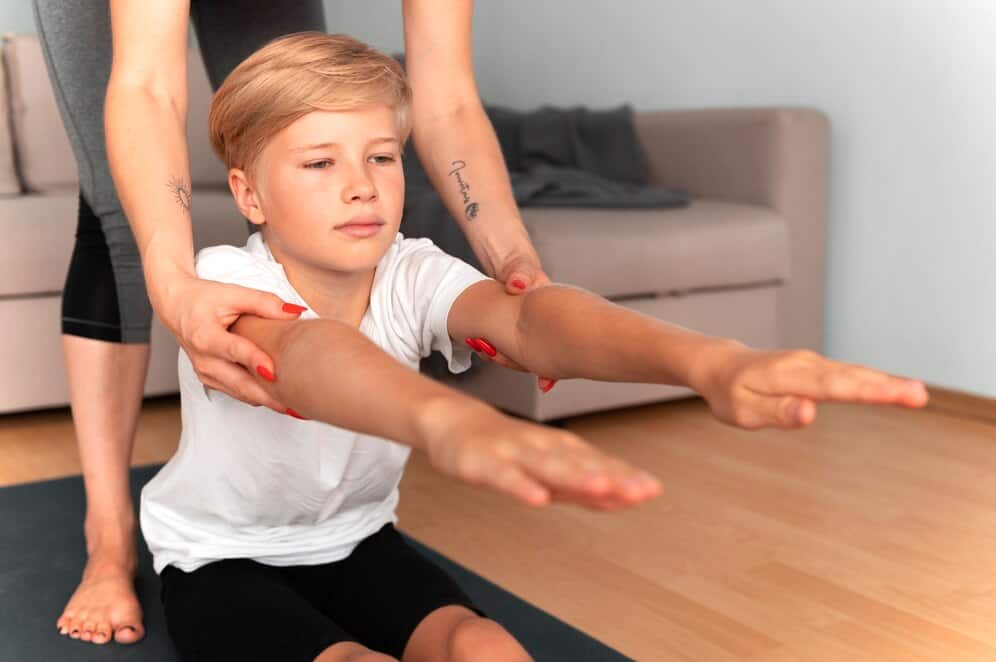
Effective support for children’s growth relies on various rehabilitation services tailored to their unique needs. Focused on enhancing motor skills, these child therapy techniques pave the way for improved physical development.
Engaging children early in therapy can yield significant benefits, allowing them to achieve crucial developmental milestones.
Different approaches cater to specific challenges, ensuring that children enhance their mobility and coordination.
The positive effects of therapy extend to emotional health, nurturing self-esteem and social interactions. Key advantages include fostering independence, which is important for enriching childhood experiences.
- Importance of early intervention: Early engagement in child therapy maximizes developmental potential.
- Types of therapies: Include targeted exercises and play-based activities promoting motor skills.
- Overall impact: Rehabilitation services support emotional health and social interactions.
Consider these questions when exploring therapy options:.
- How do developmental therapy services address individual needs?
- What are common challenges faced in child development?
This section provides insights into various methods used to support children effectively.
Click here to learn more about: specials
Understanding Developmental Therapy Approaches
Various practices are designed to support children’s growth and learning through effective interventions. Therapeutic exercises significantly enhance physical capabilities, directly contributing to overall development.
Behavioral therapy addresses learning issues while aiding adaptation to social settings.
Occupational therapy is instrumental in refining daily living skills, fostering independence among children.
Incorporating movement therapy techniques allows for improved mobility and coordination, enabling better interaction with their environments.
Parents must consider these therapy options when seeking suitable support for their children’s progress.
Read more: Physical Therapy Interventions Improve Flexibility and Movement

How Does Pediatric Physical Therapy Help
Effective interventions for children’s growth include various therapeutic techniques tailored to their needs. Pediatric practices focus on enhancing mobility through strength training and coordination exercises.
Engaging in balance activities fosters independence, making daily tasks easier for children.
Innovative therapeutic play approaches make sessions enjoyable while effectively meeting developmental milestones.
Parents and therapists work in tandem to customize each child’s program, ensuring personalized strategies are developed. Common issues addressed are developmental delays and physical disabilities, highlighting the importance of timely strategies.
Consistent therapy can lead to significant improvements, positively influencing a child’s overall development.
Read more: Sports Injury Physical Therapy Benefits
Importance Of Early Intervention Strategies
Addressing developmental challenges early can transform a child’s future. Research shows effective strategies positively influence gross motor skills and overall development.
Timely assessment of children’s needs allows professionals to create personalized plans.
Customized strategies can significantly enhance mobility and support achievement of developmental milestones.
Active parental involvement amplifies the benefits of therapy; their engagement is key to success. Misunderstandings about the urgency of these strategies may slow progress.
Recognizing the significance of these interventions is fundamental for promoting wellness and healthy growth in children.
Utilizing Therapeutic Exercises For Growth
Engaging in targeted activities plays a significant role in fostering physical development. These therapeutic exercises help improve mobility, coordination, and strength, particularly among young individuals.
Clinical therapy encompasses a variety of modalities designed to effectively meet unique developmental needs.
By honing specific techniques, caregivers can facilitate healthy growth.
Regular participation in these activities enhances muscle strength and flexibility, essential for overall well-being. Parents can conveniently weave these exercises into daily routines, promoting consistent health benefits.
Monitoring progress is necessary to ensure exercises remain effective. Additionally, mobility assistance strategies may be required to address obstacles and enhance participation in physical endeavors.
Enhancing Motor Skills Through Play
Children thrive when engaging in various activities, fostering development across multiple domains. Physical therapy offers a unique setting for enhancing their motor capabilities.
Fitness programs tailored to each child can significantly improve both fine and gross motor skills.
Games emphasizing balance may contribute to better coordination and physical strength over time.
Creative play utilizing different tools promotes dexterity, facilitating improvement in hand-eye coordination essential for daily tasks. Family support during these activities creates an encouraging atmosphere, motivating kids to engage and learn.
Therapists observe that play-based methods can alleviate anxiety, making sessions more enjoyable. Social interactions in cooperative environments also enhance communication abilities, further supporting motor development.
Individual sessions designed around personal needs can provide the right balance of challenges and success for each child, emphasizing personal growth.
Evaluating Individual Session Outcomes
Effective assessment of therapy sessions plays a significant role in tracking progress. Accurate evaluations assist specialists in pinpointing improvements in functional mobility, guiding necessary adjustments to therapy.
Clear metrics, such as functional abilities, allow professionals to analyze interactions with various environments.
Regularly setting progress milestones fosters a focus on specific goals achieved during therapy.
Gathering feedback from caregivers enhances understanding of the child’s needs, making each session more engaging. This adaptability ensures that therapy approaches remain responsive to evolving requirements.
Adapting techniques based on evaluations promotes continuous growth and enhancement in rehabilitation.
- Evaluating progress boosts therapy effectiveness through targeted interventions.
- Collaboration with caregivers amplifies success in achieving set milestones.
- Utilizing assistive devices can enhance functional mobility outcomes.
- Incorporating postural training improves overall body mechanics for patients.
The Role Of Family Support In Therapy
Support from loved ones significantly enhances the effectiveness of therapeutic interventions. Research indicates that active family engagement contributes to more rapid progress, particularly within exercise therapy.
By involving family members, realistic goals can be established, aligning closely with the values and needs of the child.
This collaboration fosters a holistic therapy experience, promoting a sense of unity and purpose.
Educating family members about occupational services equips them with tools to offer better support. Regular encouragement from family members not only boosts confidence but also solidifies a child’s commitment to their individualized intervention plan.
Addressing potential barriers to participation ensures a dynamic and effective support system.
What Are Effective Rehabilitation Techniques
Rehabilitation programs thrive on customized strategies that actively engage patients in their recovery journeys. Functional assessments play an important role in recognizing unique needs, paving the way for age-appropriate activities that foster healing.
Holistic approaches are designed to encompass physical health, emotional well-being, and social interactions, ensuring a well-rounded recovery process.
Collaborating among various healthcare professionals enhances the support network, allowing for more favorable evaluations of patient progress.
Regular monitoring of advancements is crucial for making necessary adjustments to therapeutic techniques, ultimately maximizing the patients’ recovery potential. With a strong focus on individual goals, these methods promote a nurturing atmosphere conducive to growth and improvement.
Rehabilitation Programs
- Customized rehabilitation strategies can lead to better patient engagement and outcomes.
- Functional assessments are essential for tailoring activities that meet individual recovery needs.
- Holistic approaches address multiple facets of health, improving overall well-being during recovery.
- Collaboration among healthcare professionals enhances patient support and progress evaluation.
FAQs
Does my child need pediatric physical therapy?
- If your child has delayed milestones, frequent falls, persistent toe walking, low endurance, or avoids active play, an evaluation can clarify what’s going on and what to do next. According to the CDC, milestone checklists help decide when to seek evaluation.
Source:
What is the difference between pediatric PT and occupational therapy (OT)?
- PT focuses more on gross motor skills and movement (balance, walking, jumping, strength). OT often focuses more on fine motor skills, daily living tasks, and sensory regulation. Some children benefit from both.
What happens during a pediatric PT evaluation?
- You’ll discuss concerns and goals, then the therapist assesses movement through play and age-appropriate tasks and creates a plan with home activities. According to the Academy of Pediatric Physical Therapy, family involvement and routines are a key part of pediatric care.
Source:
How long does pediatric PT take to work?
- Timelines depend on the child’s goals, age, consistency, and the underlying driver. Many children improve fastest when clinic sessions are paired with short, consistent home routines.
Can pediatric PT help a child who is late walking?
Yes—PT can support strength, balance, and the skill components needed for standing and walking. A PT can also identify red flags that may need medical evaluation.
Is toe walking normal?
- Occasional toe walking can happen, but persistent toe walking may warrant evaluation—especially if it continues beyond toddler years or if there is tightness, imbalance, or coordination difficulty.
What if my child falls a lot or seems clumsy?
- Frequent falls can result from balance, strength, coordination, vision, or sensory factors. PT can assess movement patterns and build a plan to improve stability and confidence.
What should I do if my child misses milestones?
- Use milestone guidance as a screening tool, talk with your pediatrician, and consider an evaluation. According to the CDC, acting early supports earlier access to help.
What is early intervention and how do I request an evaluation?
- Early intervention supports infants and toddlers with delays. According to HealthyChildren.org, families can request an early intervention evaluation even without a diagnosis.
Source:
Do I need a diagnosis to start early intervention or PT?
- Not always. Many systems begin with concerns and screening, and early intervention can evaluate based on developmental concerns.
What can parents do at home to help progress?
- Short daily practice works best: 5–10 minutes of movement play (stairs, balance games, obstacle courses, playground reps) built into normal routines.
How do I schedule pediatric PT at ActiveMed?
Use Schedule Your Visit to book and confirm location details