
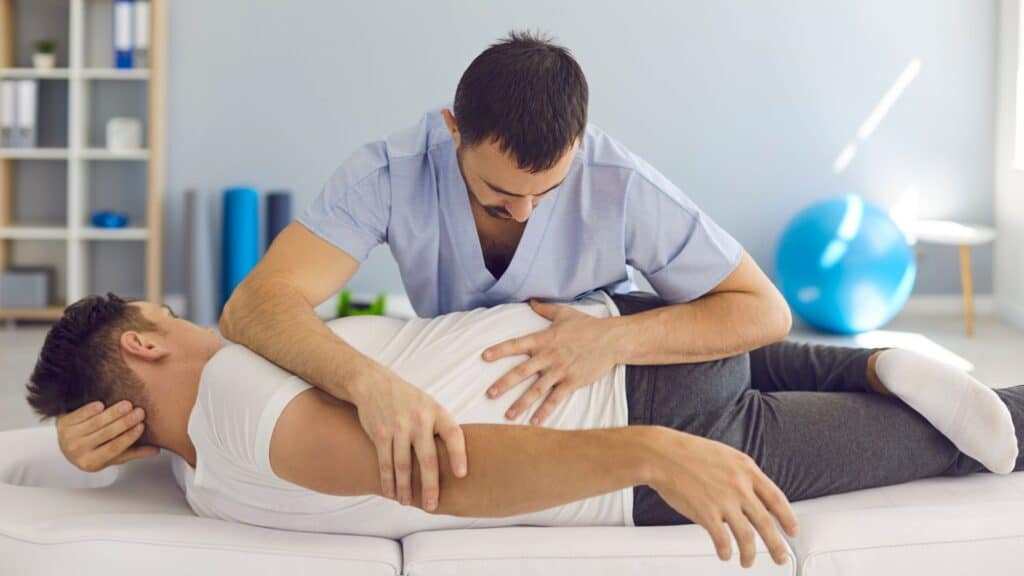
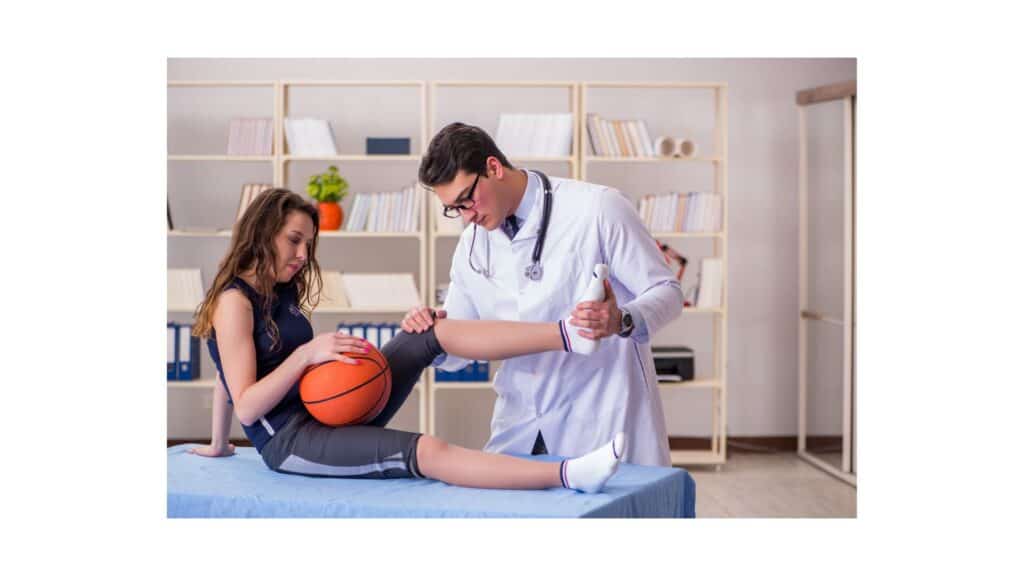
Effective approaches in rehabilitation provide trusted methods for alleviating pain. Manual therapy stands out as a hands-on technique that eases discomfort and enhances mobility.
Through targeted manipulation, these methods facilitate recovery and improve functional abilities.
Tailored therapeutic exercises strengthen specific muscle groups and contribute to overall wellness.
Incorporating various modalities, such as electrotherapy, aids in muscle stimulation and enhances circulation. Patients may also benefit from aquatic therapy, allowing gentle movement in a supportive environment.
The integration of these techniques, based on comprehensive assessments, allows for personalized care tailored to each individual. Confidence in these reliable methods fosters sustainable relief and promotes an active lifestyle.
Click here to learn more about: specials
Understanding Manual Therapy Techniques
Specialized approaches can significantly enhance pain management and mobility improvement for various patients. Myofascial release focuses on relieving tension in the fascia, providing substantial relief.
Techniques like mobilization and manipulation are essential elements in achieving pain alleviation.
Trigger point therapy plays a key role in addressing muscle tension, which contributes to discomfort.
Individuals often find they experience a notable increase in range of motion with such tailored strategies. Clinical applications are adaptable based on specific conditions, which can greatly enhance recovery experiences.
During therapy sessions, clients benefit from a calming environment conducive to relaxation. Overall, the incorporation of these techniques enriches the patient journey towards improved physical health.

How Do Modalities Aid Pain Relief
Effective strategies for rehabilitation are fundamental in managing discomfort and promoting recovery. Various treatment modalities, such as cold therapy and heat therapy, significantly support exercise therapy and enhance patient outcomes.
Cold therapy alleviates inflammation, while heat therapy improves blood circulation, aiding in the rehabilitation process.
Ultrasound therapy employs sound waves to penetrate deep tissues, effectively targeting pain areas.
TENS units deliver electrical stimulation, which is notably advantageous for chronic pain management. These modalities not only assist with improving the range of motion but also facilitate sports rehabilitation by tailoring approaches to individual patient needs.
Incorporating these diverse methods fosters optimal recovery experiences within physical therapy practices.
Rehabilitation Strategies
- Cold therapy can reduce inflammation by constricting blood vessels and decreasing metabolic activity in the affected area.
- Heat therapy enhances blood flow, which can help relax and soothe muscles, making it effective for stiffness and tension relief.
- Ultrasound therapy can reach deeper tissues, promoting healing by increasing tissue temperature and enhancing metabolic processes.
- TENS units have been shown to effectively reduce chronic pain by blocking pain signals and stimulating the release of endorphins.
Exploring Electrotherapy For Pain Management
The integration of advanced therapeutic techniques offers innovative options for managing pain effectively. This approach not only addresses discomfort directly but also enhances recovery through improved functional movement and mobility.
Various methods, including Transcutaneous Electrical Nerve Stimulation (TENS) and Interferential Current Therapy (IFC), provide targeted relief tailored to individual needs.
- Electrotherapy achieves significant results by disrupting pain signals transmitted to the brain, aiding in neuromuscular reeducation.
- Patients frequently experience reduced inflammation, contributing positively to their overall well-being.
- Incorporating soft tissue manipulation enhances the effectiveness of these therapies.
- This innovative approach supports joint mobilization, further promoting recovery.
Utilizing these therapeutic options serves as an effective adjunct in physical therapy practices.
The Role Of Kinesiology In Rehabilitation
Physical rehabilitation integrates multiple disciplines, aiming to restore functionality and enhance overall wellbeing. Orthopedic rehabilitation specializes in evaluating movement patterns, which is fundamental for creating effective recovery plans.
Specialists employ pain assessment techniques to determine specific patient needs, promoting personalized intervention strategies.
Movement analysis serves as a vital component, helping to identify dysfunctions that result in discomfort or restricted mobility.
Customized exercise prescriptions, including strength training and therapeutic stretching, are designed to promote healing and improve function.
Collaborative efforts involving kinesiology contribute to enhanced recovery, aligning with various therapeutic modalities, including acupuncture, to achieve comprehensive rehabilitation results.
Benefits Of Therapeutic Exercises For Recovery
Engaging in targeted physical activities plays a significant role in recovery pathways while enhancing overall health. These specific movements not only improve mobility but also foster injury prevention, allowing individuals to regain joint flexibility and thereby optimize their wellness programs.
Muscle strengthening stands out as a key factor in recovery, focusing on particular muscle groups necessary for rehabilitation after injury.
Participating in structured therapeutic practices can effectively assist with chronic pain management, alleviating discomfort during everyday routines.
Customized treatment approaches guarantee that each exercise regimen addresses personal health requirements, contributing to individualized recovery strategies based on specific conditions. Through consistent application of selfcare strategies, patients can significantly enhance their overall wellness.
Incorporating these methodologies into daily life promotes injury prevention and strengthens overall physical fitness.
What Is Aquatic Therapy And Its Benefits
Utilizing the therapeutic advantages of water can significantly enhance physical rehabilitation. Aquatic therapy employs the unique properties of water to promote effective rehabilitation and healing.
This specialized approach supports pain relief strategies through gentle movements, reducing stress on the body.
The low-impact nature enhances joint stability, enabling patients to safely engage in various exercises.
Improved mobility is a key advantage, as aquatic therapy encourages flexibility and range of motion. Individuals can build strength effectively through resistance training in water.
This controlled environment fosters coordination exercises, contributing to overall recovery.
- Definition of Aquatic Therapy: Aquatic therapy leverages water’s buoyancy to aid rehabilitation.
- Benefits for Pain Management: This therapy improves pain management by facilitating gentle movements.
- Low-Impact Nature: Minimal injury risk is present due to low-impact exercises, enhancing body mechanics.
- Improvement in Mobility: Enhanced range of motion supports specific patient needs, promoting balance training.
- Enhanced Strength Building: Resistance training occurs safely in a controlled aquatic environment.
Group sessions are often an integral part of aquatic therapy, creating a supportive community atmosphere. This environment encourages motivation and commitment among participants. It’s particularly beneficial for individuals dealing with chronic pain, post-surgery rehabilitation, and mobility challenges. Exploring the advantages of aquatic therapy leads to targeted techniques, such as fascial release, for further pain relief.
Aquatic Therapy
- Aquatic therapy can reduce pain levels by up to 50% in patients with chronic pain conditions.
- Studies show that patients participating in aquatic therapy improve their mobility by an average of 30% compared to traditional rehabilitation methods.
- Resistance training in water can increase muscle strength by 20% within a few weeks of consistent therapy.
- Group aquatic therapy sessions have been shown to enhance patient adherence to rehabilitation programs by fostering a sense of community.
Myofascial Release Techniques For Pain Relief
Effective techniques for managing discomfort can significantly enhance overall well-being. Myofascial release specifically addresses tight fascia, a contributor to pain and restricted mobility.
Incorporating sports massage into recovery methods can further benefit individuals seeking relief.
Gentle, sustained pressure applied to tense areas promotes tension relief, allowing muscles to relax.
Many patients report heightened flexibility and decreased muscle stiffness following these therapies. Gentle stretching routines can foster overall wellness and mobility.
Utilizing active release technique alongside movement analysis aids in diagnosing and addressing underlying issues. Engaging in myofascial release empowers individuals to elevate their quality of life while effectively managing chronic pain.
Effective Strategies For Pain Assessment And Management.
Achieving effective results in pain management necessitates a holistic approach.
Core stabilization exercises play a significant role in enhancing physical recovery.
Incorporating flexion exercises can improve mobility, facilitating a smoother rehabilitation process.
Patients benefit from education on pain modulation techniques, which enhances their understanding of various discomfort patterns. Customized orthotic assessment addresses alignment issues, reducing unnecessary strain in the musculoskeletal system.
Regular integration exercises foster overall physical function and promote sustained well-being. Utilizing biofeedback techniques empowers individuals to actively manage their pain levels.
By combining these strategies, a comprehensive plan tailored to each person’s needs is established, paving the way for optimal recovery.
Pain Management
- Core stabilization exercises can enhance recovery by improving muscle strength and stability.
- Flexion exercises are shown to increase joint mobility, aiding in rehabilitation.
- Education on pain modulation techniques has been linked to better patient outcomes and self-management of pain.
- Customized orthotic assessments can significantly reduce strain on the musculoskeletal system, promoting overall health.