
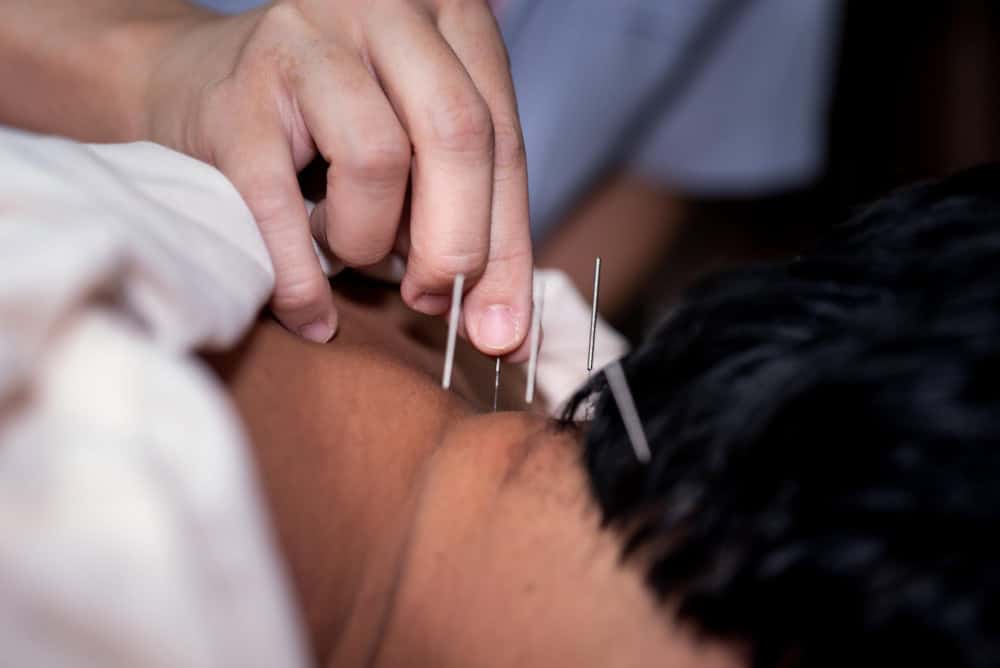
Acupuncture Poway offers a holistic approach to pain management, providing a natural alternative to conventional treatments. By targeting specific points on the body, acupuncture promotes healing and helps alleviate various types of pain, including chronic back pain, arthritis, headaches, and muscle tension. The practice works by stimulating the body’s energy flow, known as “Qi,” encouraging the body to heal itself without relying on medications. Many individuals in Poway have found relief through acupuncture, benefiting from its ability to reduce inflammation, enhance circulation, and improve overall wellness. Whether you’re dealing with acute injuries or long-term pain, acupuncture offers a safe and effective option to support your journey to recovery and improve your quality of life.
Read more: Acupuncture Poway Offers Natural Relief for Chronic Pain
Understanding How Acupuncture Relieves Pain
Acupuncture is an ancient practice rooted in traditional Chinese medicine that focuses on stimulating specific points on the body to help alleviate pain. By inserting very fine needles into key areas, acupuncture activates the body’s energy pathways, known as “Qi,” to restore balance and improve the flow of energy throughout the body. The process promotes the body’s natural healing mechanisms and triggers the release of endorphins, which are the body’s natural painkillers. In Poway, many individuals turn to acupuncture as a safe and effective option for managing pain, particularly when conventional treatments like medications have not provided adequate relief. Acupuncture addresses both the symptoms and underlying causes of pain, helping to reduce inflammation, increase blood circulation, and encourage the body’s ability to heal itself. For those suffering from chronic conditions or acute injuries, acupuncture provides a non-invasive and drug-free alternative that is becoming increasingly popular.
Read more: Exploring Back Pain Relief with Acupuncture Encinitas
The Role of Acupuncture in Chronic Pain Treatment
Chronic pain can be debilitating and difficult to manage with traditional treatments, making acupuncture a promising alternative for many. Acupuncture Poway offers a holistic approach that works by targeting the underlying causes of chronic pain, rather than just masking symptoms. Whether it’s from arthritis, fibromyalgia, or long-term back pain, acupuncture aims to restore the body’s natural balance, which can help reduce the intensity and frequency of pain. By stimulating specific acupuncture points, the body is encouraged to release its own pain-relieving chemicals and improve circulation to the affected area. Over time, acupuncture can reduce muscle tension, promote the healing of damaged tissue, and enhance overall mobility. In addition, acupuncture is known to help individuals manage the emotional stress and anxiety that often accompany chronic pain, leading to a more comprehensive approach to treatment that not only focuses on physical discomfort but overall well-being as well.
Read more: Discover Natural Healing with Acupuncture Poway Experts
Acupuncture and Its Impact on Inflammation Reduction
Inflammation is a common underlying factor in many types of pain, including conditions like arthritis, tendonitis, and muscle injuries. Acupuncture has been shown to play a crucial role in reducing inflammation by promoting better circulation and stimulating the body’s natural anti-inflammatory responses. In Poway, patients seeking relief from inflammatory conditions often turn to acupuncture as a safe, drug-free alternative to manage swelling and discomfort. The insertion of needles at specific acupuncture points triggers the release of anti-inflammatory substances, such as cortisol, and improves the flow of blood to the affected area, which speeds up healing and reduces swelling. By addressing inflammation directly, acupuncture not only alleviates the pain associated with these conditions but also helps prevent further tissue damage. For those suffering from chronic inflammation, acupuncture can offer a long-term strategy for managing symptoms and improving overall mobility.
Read more: Acupuncture Encinitas for Stress Relief and Relaxation
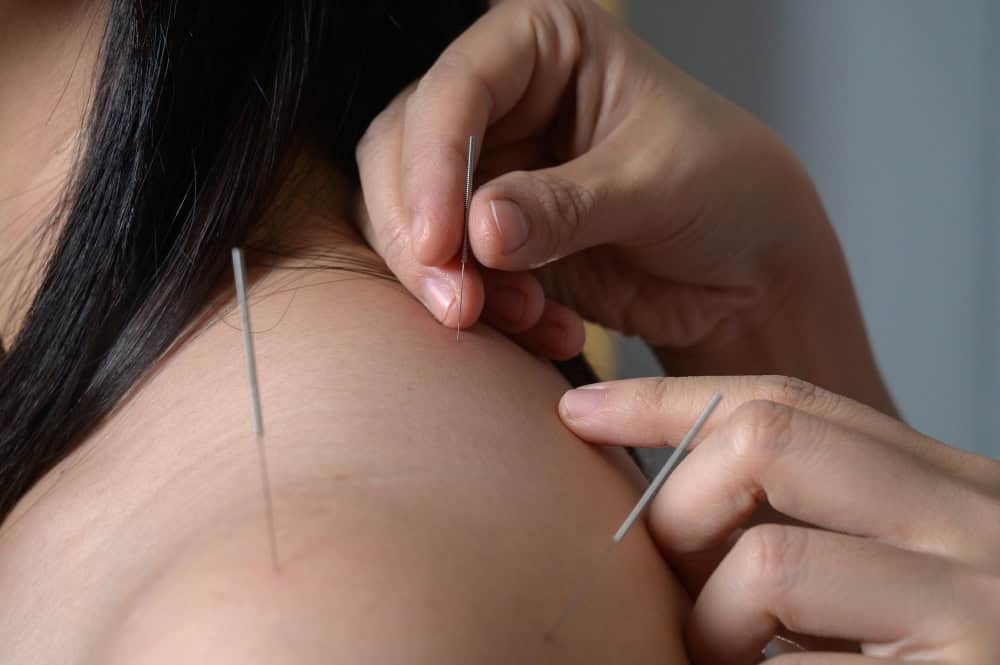
How Acupuncture Improves Blood Flow for Pain Relief
One of the key mechanisms by which acupuncture helps manage pain is by enhancing blood circulation. Blood flow is essential for delivering oxygen and nutrients to tissues while removing waste products and toxins. When circulation is compromised due to injury, inflammation, or chronic conditions, it can lead to pain, stiffness, and discomfort. Acupuncture Poway targets specific acupuncture points that, when stimulated, help to increase blood flow to the affected areas. This improved circulation helps deliver fresh oxygen and nutrients to injured tissues and promotes the healing process. Additionally, better blood flow helps to flush out waste products that may accumulate around injured areas, which can contribute to pain and swelling. By supporting the body’s natural healing mechanisms, acupuncture encourages faster recovery, reduces pain, and restores normal function to the affected tissues. This makes acupuncture an ideal treatment for pain management, particularly for injuries or chronic conditions that affect circulation.
Read more: Explore Natural Balance at Acupuncture Encinitas
The Science Behind Acupuncture and Pain Reduction
Acupuncture has long been practiced as a form of pain management, but modern research has begun to uncover the science behind its effectiveness. Studies have shown that acupuncture stimulates the nervous system, triggering the release of neurotransmitters and endorphins that act as natural painkillers. These chemicals can help block pain signals in the brain, reduce inflammation, and promote healing. In Poway, many individuals with chronic pain conditions, such as lower back pain, sciatica, and migraines, benefit from acupuncture’s ability to tap into the body’s own biological processes for pain relief. Furthermore, acupuncture is thought to have a modulating effect on the central nervous system, helping the body adjust its response to pain. By stimulating specific points along the body’s energy pathways, acupuncture not only addresses the immediate pain but also works to reestablish balance and promote long-term health. This growing body of scientific evidence supports acupuncture as a valid and effective tool for managing pain.
Read more: What to Expect at Your First Acupuncture Poway Visit
Acupuncture for Headaches and Migraines in Poway
Headaches and migraines are common sources of pain, affecting millions of people every year. While traditional medications can provide temporary relief, acupuncture has been gaining popularity as a natural treatment for chronic headaches and migraines. In Poway, acupuncture practitioners use specific needle techniques to target points on the head, neck, and shoulders, areas that are commonly involved in headache pain. By stimulating these points, acupuncture helps to release tension, reduce muscle spasms, and improve circulation, all of which contribute to the alleviation of headache symptoms. Additionally, acupuncture has been shown to promote the release of endorphins and serotonin, which can reduce the frequency and intensity of migraines. For those who suffer from recurrent headaches or migraines, acupuncture offers a drug-free alternative that addresses both the immediate discomfort and the underlying causes, helping to restore balance and reduce pain over time.
Read more: Why Locals Choose Acupuncture Encinitas Today
What to Expect During an Acupuncture Session for Pain Management
If you’re considering acupuncture as a way to manage your pain in Poway, it’s helpful to know what to expect during your first session. Acupuncture involves the use of very fine needles that are strategically inserted into specific points on the body to stimulate healing and reduce pain. During your session, the acupuncturist will take a thorough medical history and discuss your symptoms to determine the best treatment plan for your needs. The needles are typically left in place for 20-30 minutes while you relax, and the process is often described as relatively painless, with most patients feeling a mild sensation when the needles are inserted. Many individuals find acupuncture sessions to be calming and even therapeutic for stress relief. Afterward, patients may experience some initial soreness, but most report noticeable improvements in pain relief and mobility over the following days as the healing process takes effect.
Read more: How Acupuncture Poway Supports Pain Management
Conclusion
In conclusion, acupuncture at ActiveMed Integrative Health Center provides a holistic, natural approach to managing pain and promoting overall wellness. Whether you’re struggling with chronic pain, inflammation, or recovering from an injury, acupuncture can support your body’s healing process and restore balance. Don’t let pain control your life—take the first step toward feeling better today. Contact us at +18586734400 or visit us at 15725 Pomerado Rd STE 210, Poway, CA 92064 to schedule your consultation. We’re here to help you find lasting relief!
FAQs
How does acupuncture help with pain management?
- Acupuncture may help by influencing how the nervous system processes pain signals and by supporting relaxation and muscle tension reduction for some people. According to NCCIH, acupuncture has been studied for different pain conditions and may be helpful depending on the condition and individual response.
What types of pain do people commonly try acupuncture for?
- People commonly try acupuncture for pain patterns like back/neck pain, headaches, arthritis-type discomfort, and muscle tension. Evidence varies by condition, so it’s best treated as a measured trial rather than a guaranteed fix. According to NCCIH, acupuncture has evidence for some conditions and mixed evidence for others.
Does acupuncture reduce inflammation?
- Some studies explore inflammatory pathways, but outcomes vary by condition and individual. A safer way to say it is: acupuncture may support pain management and recovery for some people, and research is ongoing. If you mention inflammation, keep it cautious and avoid “proven” claims unless you cite a specific study.
How many acupuncture sessions do I need for pain relief?
- It depends on the condition, severity, and how long symptoms have been present. A practical approach is a short trial (a few visits) with tracking, then reassessment. According to Harvard Health, a common course is often described as multiple sessions over weeks to months (often 6–12 sessions over about three months), though plans vary.
How quickly will I feel results?
- Some people feel a change after the first visit (relaxation or reduced tension), while others notice improvement gradually across multiple sessions. Because pain has many causes, the best approach is to track pain, sleep, and function over a short series and reassess.
Is acupuncture safe for pain management?
- When performed by a competent practitioner using sterile needles, acupuncture is generally low risk. According to Mayo Clinic, common side effects include soreness and minor bruising or bleeding at insertion sites.
What are normal side effects after acupuncture?
- Mild soreness, a small bruise, or temporary fatigue can happen, especially early on. Serious complications are uncommon when performed properly. According to Cleveland Clinic, minor side effects like soreness or bruising can occur.
Can I do acupuncture instead of pain medication?
- Some people use acupuncture as part of a non-drug plan, but it depends on the condition and your medical history. Don’t stop medications without speaking with your prescribing clinician. Acupuncture is often best used alongside medical care, exercise/rehab, and lifestyle changes.
Who should be cautious before trying acupuncture for pain?
- Tell your provider if you take blood thinners, have a bleeding disorder, are pregnant, or have a pacemaker (especially if electrical stimulation might be used). According to Mayo Clinic, these factors can matter for safety and planning.
Can acupuncture help chronic pain (not just acute pain)?
- It can be used for chronic pain management, but results vary. According to NCCIH, acupuncture has been studied for chronic pain conditions and may help some people depending on the condition and context.
Should I combine acupuncture with physical therapy or exercise?
- Often yes. Many people find acupuncture helps reduce pain and tension so movement is easier, while PT/exercise builds strength and mobility so improvements last. Combining therapies can be a smart pain-management strategy when coordinated appropriately.
How do I know if acupuncture is working for my pain?
- Use a simple tracking plan: pain intensity (0–10), flare days/week, sleep quality, and one function metric (walking minutes or sitting tolerance). Reassess after several visits and continue only if those metrics improve meaningfully.