
Cupping in Encinitas, Poway and Encinitas
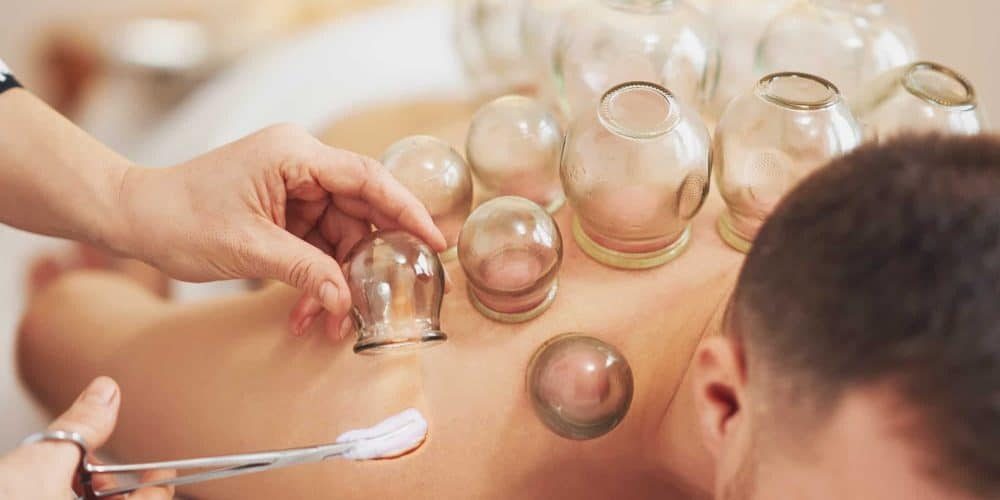
Cupping therapy is an alternative medicine practice that involves placing cups on the skin to create suction. The suction is created by either heating the cups and then placing them on the skin, or by using a vacuum pump to draw air out of the cups.
Cupping therapy is often used for pain relief, promoting relaxation, and improving circulation. It is believed to work by increasing blood flow to the treated area and stimulating the body’s natural healing processes.
During a cupping session, the cups are typically left in place for a few minutes, and then removed. The practice can leave temporary bruises or red marks on the skin, which usually disappear within a few days.
Cupping therapy is generally considered safe when performed by a trained practitioner. However, it may not be appropriate for everyone, particularly individuals with certain medical conditions or who are taking certain medications. It is important to consult with a healthcare professional before trying cupping therapy.
cupping therapy FAQs
- We use cupping therapy as a technique where a trained provider places cups on the skin and creates suction to lift tissue. It’s commonly used as a complementary approach for pain and muscle tension.
- We describe the evidence for cupping therapy as mixed: NIH/NCCIH notes research exists but much is low quality, and the evidence for pain reduction isn’t very strong. We set expectations accordingly.
- We define dry cupping as suction-only. We define wet cupping as suction plus skin piercing so blood enters the cup. Wet cupping carries higher infection and bloodborne-risk considerations.
- We usually expect cups to stay on for several minutes, and many sessions use 3–5 cups (sometimes more). Some methods also move cups to massage the area (running cupping).
- We generally don’t expect cupping therapy to be painful, but we may feel skin tightness during suction. Afterward, we may feel mildly sore or “bruised,” but severe pain is not expected.
- We explain cupping marks as red, round discolorations caused when suction breaks tiny capillaries under the skin. They can look like bruises, but they aren’t the same as muscle-fiber bruising.
- We usually expect cupping marks to fade within about 1–2 weeks, depending on suction strength and individual sensitivity. If marks worsen instead of fading, we reassess technique and skin response.
- We most commonly see temporary marks, mild soreness, and sometimes fatigue, headaches, nausea, or skin irritation. With heated cups, burns are a known risk if technique is poor.
- We take serious risks seriously: NIH/NCCIH lists possible burns, infections, scarring, and rare severe events (reported in unusual circumstances), and emphasizes sterile practice—especially if blood exposure is involved.
- We usually avoid cupping therapy during pregnancy and when we have conditions like anemia, a pacemaker, bleeding/clotting disorders, cardiovascular disease, certain skin conditions (eczema/psoriasis), or seizure disorders—unless cleared by a clinician.
- We generally avoid cupping therapy during pregnancy because evidence on safety is limited. If we’re pregnant and still considering it, we discuss it with our obstetric clinician first.
- We reduce infection risk by using trained practitioners, clean technique, and properly sterilized equipment. NIH/NCCIH warns contaminated equipment—especially when blood is involved—can spread bloodborne diseases without sterilization.
- We usually keep aftercare simple: we avoid strenuous activity and avoid heat exposures like hot showers/saunas/hot tubs for about 24 hours, since skin may be more sensitive and marks may intensify.
- We contact a clinician if we develop burns, extreme pain, fever, spreading redness, tenderness, or discharge—signs that can suggest infection or complications rather than normal post-treatment soreness.